
AnyMind Group supports Korean skincare brand Dr.Reju-All’s online and offline expansion into Japan
Sep 25, 2026
Press Release
E-commerce & D2C



Blog
Influencer Marketing
Feb 9, 2026
In the early days of influencer marketing, success was measured in vanity metrics: likes, follows, and reach. But as we step into 2026, the industry has undergone a fundamental rewiring. The digital landscape is no longer satisfied with just being seen; it wants to be sold.
The last three years have seen a massive shift in how brands allocate their social budgets, with performance-driven campaigns growing from 28.24% in 2023 to 42.47% in 2025.
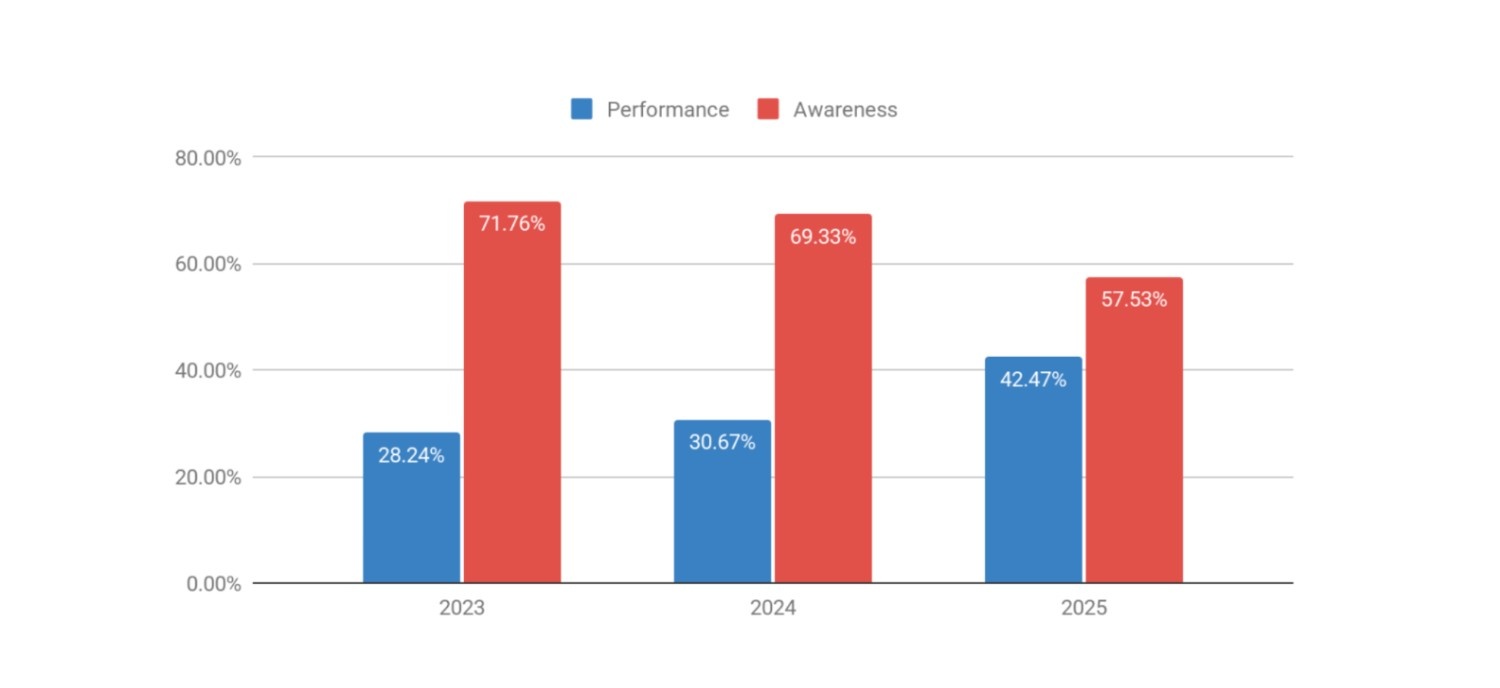
Source: State of Influence in APAC 2026 Report
Influencer marketing is no longer top-of-funnel; it is a performance-driven necessity. In this context, “performance” doesn’t necessarily mean an immediate checkout, but rather campaigns designed around clear, granular objectives, moving beyond the outdated goal of simply reaching the widest possible audience.
Brands are now optimizing for high-intent actions, like engagement and engagement rate (ER), traffic quality (Clicks), and in certain cases, moving towards a Cost Per Result (CPR) model, where the “result” is a specific KPI—be it a link click, a sign-up, or a high-value engagement—ensuring every dollar spent contributes to a measurable ROI.
Nano and micro creators matter more than ever
One of the biggest changes in performance-driven influencer marketing is the rising importance of nano, micro, and macro creators. While mega creators still play a role in driving scale and awareness, smaller creators often outperform them when it comes to engagement, trust, and conversion efficiency. This is why brands today are reallocating budgets from a single large creator to dozens or even hundreds of smaller ones, achieving broader reach combined with stronger engagement signals.
Now, creators have expanded beyond simple content creation into specialized brand functions that serve these performance goals:
If the “pivot to performance” was the spark, live shopping is the wildfire. We are moving beyond the era of “link in bio” and into an era where the creator is the checkout counter.
The breakthrough of live shopping
Live shopping has effectively changed the marketing funnel. Discovery, consideration, and checkout could happen within a single 30-second window or a single livestream.
At its core, live shopping blends entertainment with the convenience of a digital storefront. It’s a real-time video broadcast where creators demonstrate products, share personal reviews, and answer audience questions on the fly. It is growing because it solves the biggest hurdle in online shopping: The Trust Gap. Seeing a product in motion and getting an instant answer to “Does this fit true to size?” removes the friction of uncertainty.
Let’s take a look at TikTok Shop, for instance.
Today, TikTok is undisputedly the most engaging content platform globally. Across most Southeast Asia (SEA) markets, it consistently delivers the highest median engagement rates compared to other social platforms. Its success comes from a powerful combination of short-form video, algorithmic discovery, and creator-led storytelling, formats designed to hold attention rather than interrupt it. Instead of asking users to search for products, TikTok surfaces content users didn’t even know they wanted, making discovery feel organic and entertaining. This behavioral shift—where users come to be entertained but stay to explore—created the perfect conditions for live shopping to scale.
As audiences are spending more time than ever on the platform, brands have naturally followed suit. We’ve seen a massive migration in brand activity: Influencer campaigns on TikTok surged from 28.35% in 2023 to 50.58% in 2025.
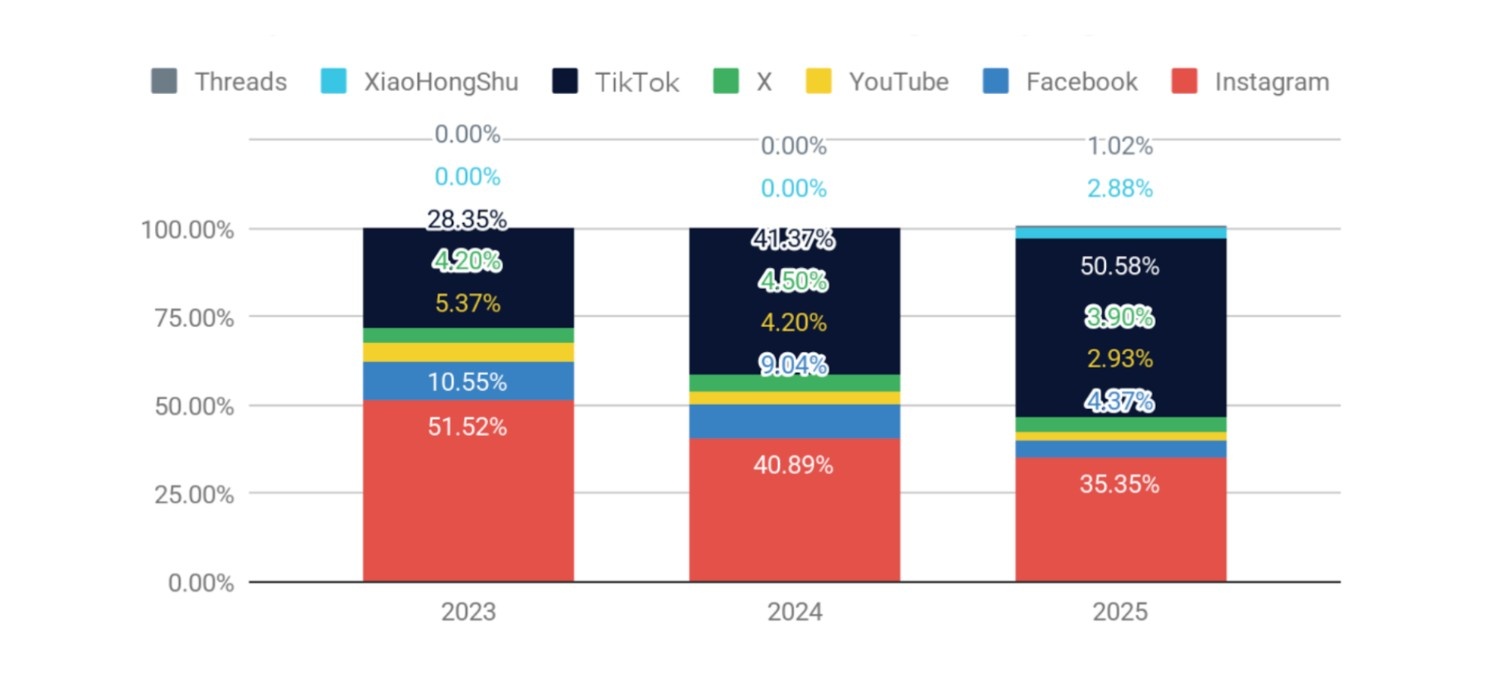
Source: State of Influence in APAC 2026 Report
With TikTok Shop, the bridge between discovery and purchase is even more seamless. A creator uses a 30-second video to spark curiosity (Discovery), then “Goes Live” to provide the deep-dive education (Consideration) that leads directly to a checkout, all without the user ever leaving the app.
Canon perfectly captured this “discovery-to-live” flow with their #CanonCompanion campaign for the PowerShot V10. By utilizing a creator to promote the product through a dedicated TikTok livestream, they successfully bridged the gap between social engagement and retail reality. The results?
Why this works: The trust currency
Traditional ads are failing to break through the noise, but trust remains a powerful currency. 69% of consumers trust recommendations from influencers, friends, and family more than information that comes directly from a brand. An authentic recommendation from a trusted creator holds the same weight as advice from a close friend.
In SEA, consumers are significantly more likely to purchase based on a creator’s recommendation. Micro and nano-creators, in particular, are winning because their “unfiltered” authenticity creates a peer-to-peer connection that a glossy billboard simply can’t replicate. According to our recent digital landscape reports across Southeast Asia (SEA), influencer videos have become the “consideration engine.” Creators aren’t just introducing brands; they are providing the final nudge during the research phase that leads to a purchase.
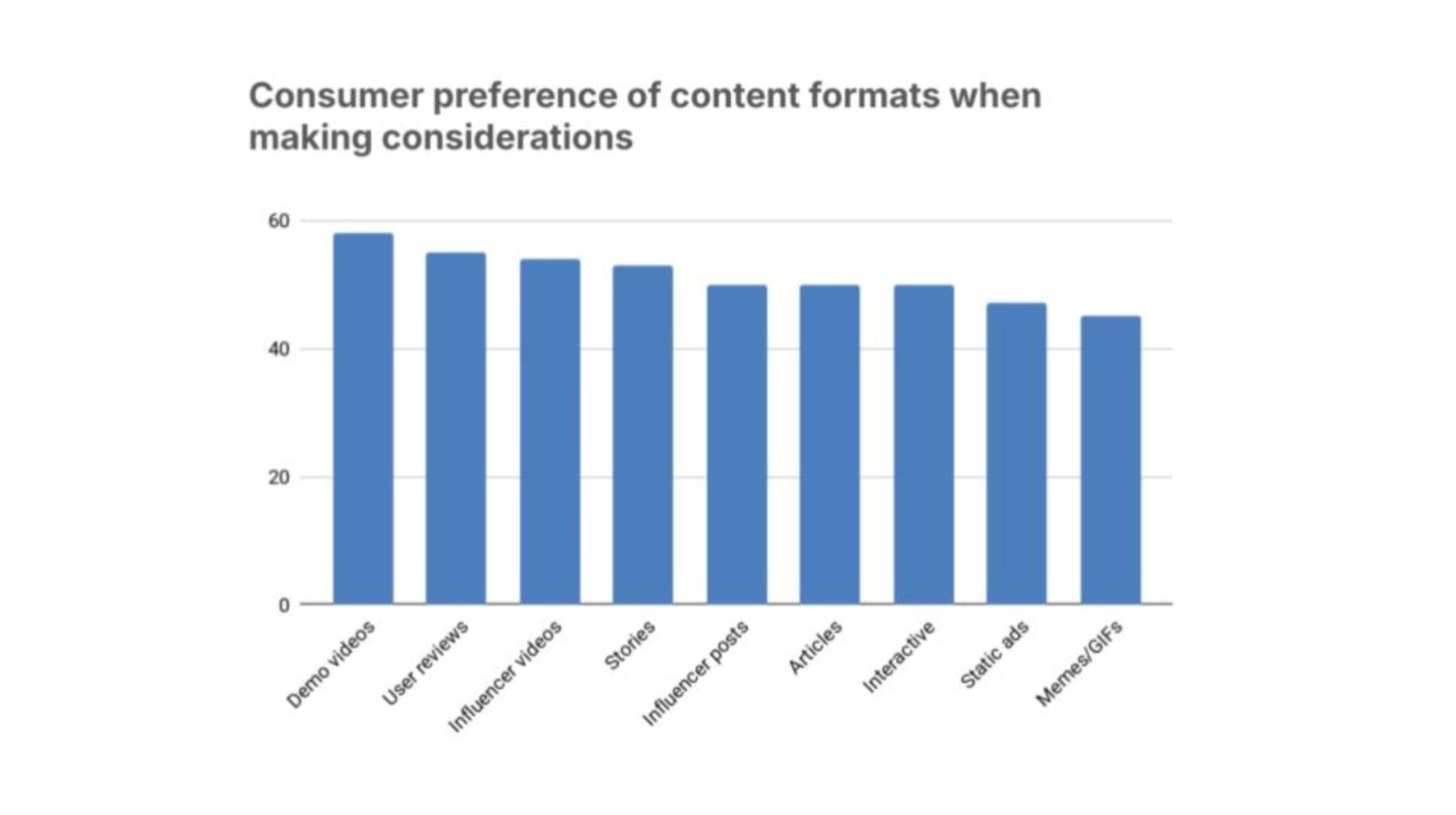
Source: SEA Digital Landscape 2025 Report
While creator-led live commerce presents a massive opportunity, it also introduces operational complexity. Running frequent live sessions, managing host availability, responding to multilingual audiences, and maintaining consistency is resource-intensive—especially outside peak hours.
This is where hybrid live commerce models are becoming increasingly important. Platforms like AnyLive are designed around a human–AI hybrid approach: human hosts lead during high-traffic peak periods, while AI avatars maintain engagement during non-peak hours. These AI avatars can present products, respond to audience questions in real time, and operate across multiple languages (i.e., English, Chinese, Vietnamese, and Bahasa), ensuring continuity without compromising experience. In one deployment, this approach enabled over 800 livestream hours while reducing per-hour costs by up to 90%, all while maintaining accuracy and consistency.
Rather than replacing creators, this model extends their presence, allowing brands to unlock incremental GMV during hours that would otherwise remain underutilized.
As creator campaigns become more performance-driven, technology is no longer optional—it’s foundational.
Disconnected systems lead to blind spots, inefficiencies, and missed opportunities. Platforms like AnyTag solve this by centralizing creator data, campaign performance, and audience insights across markets. This enables brands to evaluate creators based on outcomes, not assumptions, and optimize campaigns in real time.
When paired with live commerce infrastructure like AnyLive, brands gain end-to-end visibility, from content performance and engagement signals to live interaction and assisted conversion. The result is not just better reporting, but better decision-making.
Performance-driven influencer marketing reflects a broader evolution in digital marketing itself. Brands are moving away from siloed tactics and toward integrated strategies where creators influence every stage of the funnel, from discovery to conversion and beyond.
Brands that succeed in this new landscape will be those that treat creators not as media inventory, but as long-term performance assets embedded into their growth strategy.
The shift is already underway. The question is no longer if creators are performance channels, but how effectively brands are enabling them to perform.
Reach out to AnyMind and explore what a performance-first creator strategy looks like in practice.

Sep 25, 2026
Press Release
E-commerce & D2C
Sep 24, 2026
Press Release
E-commerce & D2C
Sep 22, 2026
Blog
AnyMind Group