
AnyMind Group Secures Official Shopee MCN Accreditation in Malaysia
Mar 23, 2026
Press Release
E-commerce & D2C



Blog
AnyMind Group
Sep 9, 2025
In the early days of the digital era, content marketing was often seen as a “branding tool.” Its primary purpose was straightforward: to build awareness so audiences would recognize, remember, and understand a brand’s identity. Blog articles, educational videos, and social media campaigns were all created to introduce products or services without a heavy focus on direct sales.
However, as consumer behavior and digital technology rapidly evolved, this mindset shifted. Content is no longer a one-stop-shop for awareness. Today, it has been proven to effectively guide consumers directly into the consideration stage and drive conversion—meaning tangible actions like a purchase, a new lead, or even a repeat order.
Why the Shift Happened?
1. Evolving Consumer Behavior
Previously, consumers would seek information from various sources outside of social media or e-commerce, such as brand websites, blogs, or TV ads. Now, they can seamlessly search, compare, and purchase on the same platform, or use hyperlinks to navigate to different platforms on the same device. (Google, Decoding Decisions: Making sense of the messy middle).2. Evolution of Digital Platforms
E-commerce platforms originally served as simple transaction hubs. However, many now offer a comprehensive end-to-end journey: from viewing content and exploring a product to clicking and checking out, all in one seamless flow.3. Data & Technology
With the right data and technology, brands can precisely measure which content delivers conversion. This capability has shifted strategies from simply aiming for “virality” to focusing on “sales impact.”4. Heightened Competition
When every brand is creating awareness content, consumers have an overwhelming number of options. This makes it crucial to create content that can move consumers more quickly down the lower funnel, from consideration to conversion.5. Impulsive Buying Habits
Engaging content can directly trigger a purchase, especially with instant shopping cart features that simplify the shopping experience: See – Like – Add to Cart – Pay.The Most Effective Content for Consideration and Conversion
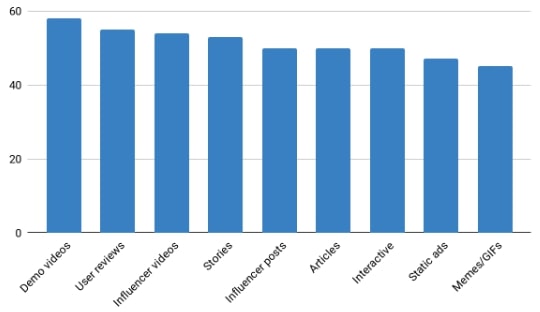
The consideration stage is a pivotal point where consumers make a decision after exploring various content. According to the “2025 Southeast Asia Digital Landscape” report from AnyMind Group, video content is the most effective format for guiding consumers to this stage. From short influencer clips to product demos, consumers in Southeast Asia heavily rely on this dynamic format.
In Conclusion
The era when content was merely a “branding tool” is behind us. With a well-executed strategy, content can become a powerful sales engine. Brands that master the art of turning storytelling into a path to transactions will ultimately win the hearts—and wallets—of today’s digital consumers.So, if your business is still only playing in the awareness space, it’s time to level up. In 2025, content isn’t just about being known; it’s about generating real revenue.
Interested in building a content strategy that drives real results? Learn more about how AnyMind Group can help.

Mar 23, 2026
Press Release
E-commerce & D2C
Mar 19, 2026
Blog
Creator Growth

Mar 18, 2026
Blog
AnyMind Group