
AnyMind Group Wins Bronze at MMA SMARTIES India 2026
Oct 15, 2026
Press Release
AnyMind Group



Blog
E-commerce & D2C
Aug 18, 2026
For years, the playbook for fashion and food marketers was simple: send a PR seeding kit to an influencer with an aesthetic feed, get a polished grid post, watch the likes roll in, and assume it was driving store visits and online purchases.
In 2026, that playbook is no longer enough. Aesthetic content can capture attention, but sustainable growth increasingly depends on what happens after the scroll.
In 2022, Fashion & Beauty and Food & Beverage brands accounted for more than 55% of influencer marketing campaign allocations across Asia Pacific (APAC).
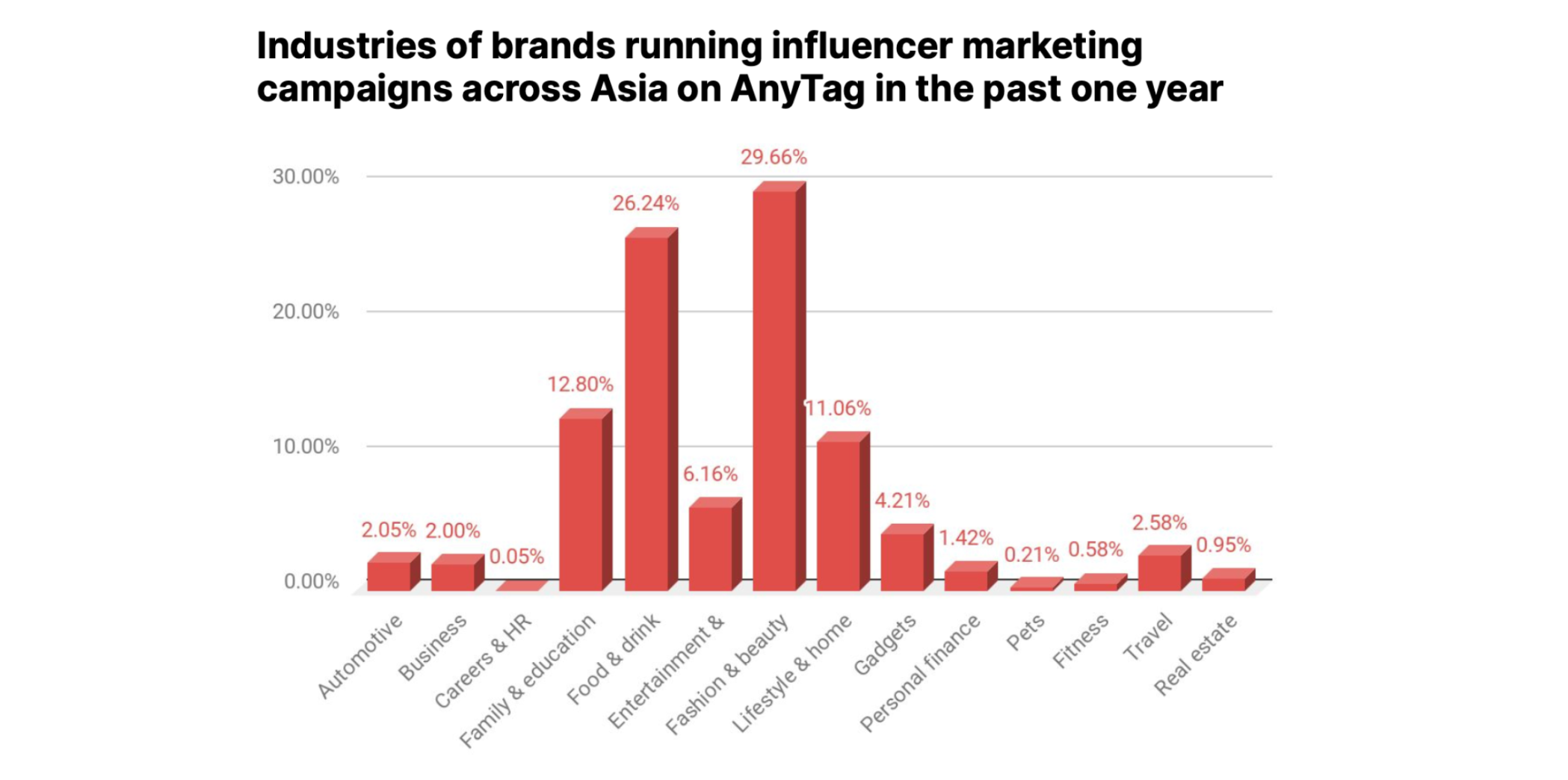
Figure 1: Top industries running influencer marketing in APAC in 2022
By 2025, their combined share had fallen to roughly 19%, with Food & Beverage at 10% and Fashion & Beauty at 9%.
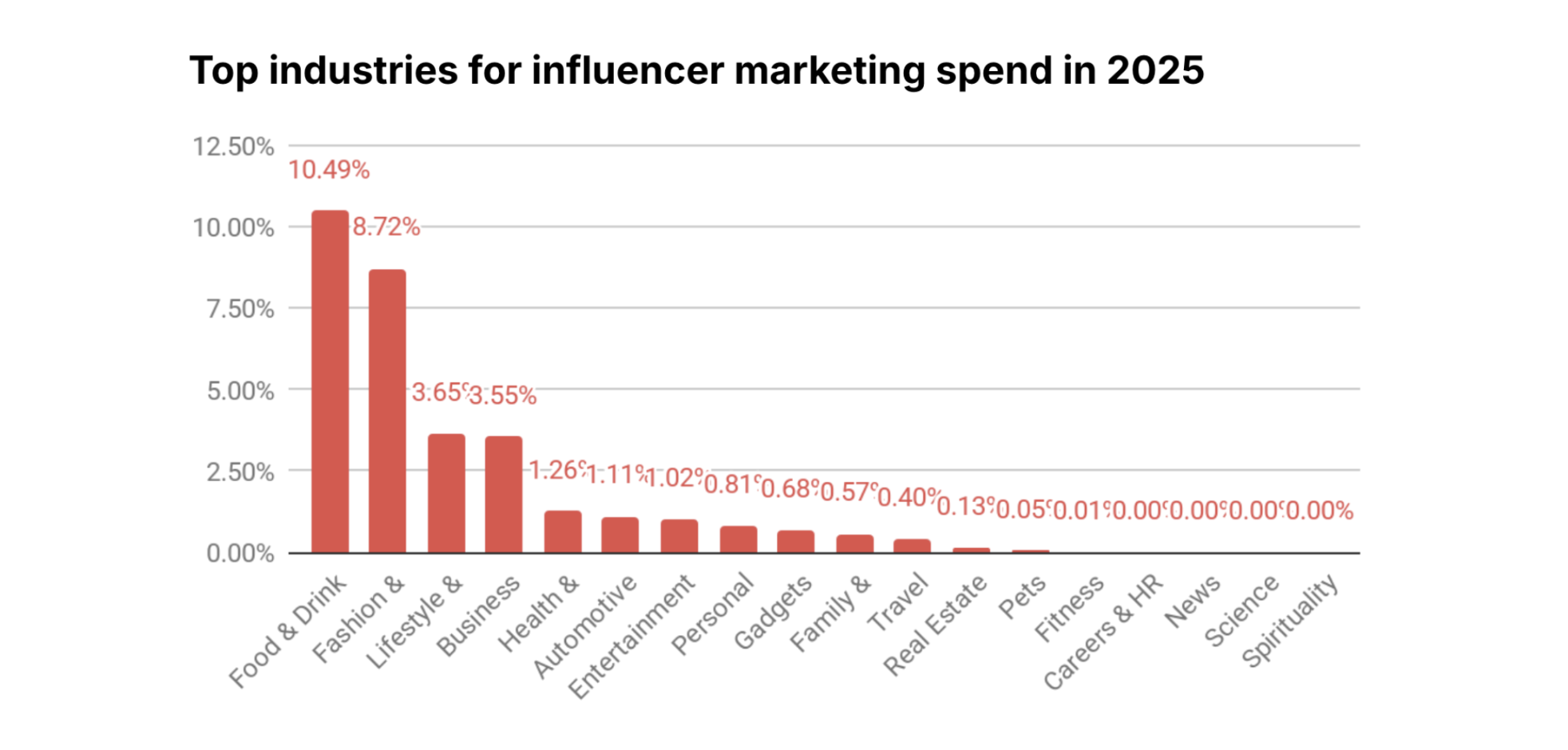
Figure 2: Top industries running influencer marketing in APAC in 2025
This drop does not mean Fashion and Food brands are spending less. Instead, it reflects how rapidly influencer marketing has expanded into categories that once relied less on creators. Lifestyle & Home, Business, Healthcare, Automotive, Finance, Gaming, and other industries have increasingly adopted creators as a core distribution channel.
Influencer marketing is no longer a competitive advantage reserved for visually driven categories. As more industries compete for creator attention, Fashion and Food brands can no longer rely on early-mover advantage or broad reach alone.
Consumers have also become more selective. Polished studio photography, staged food shots, and highly curated OOTD posts can generate attention, but they often provide limited answers to the questions that stand between discovery and purchase.
In the early days of influencer marketing, Fashion & Beauty and Food & Beverage brands could rely on straightforward product demonstrations, reviews, and benefit-led content. Today, awareness alone is no longer enough. Consumers increasingly want real-world utility, authentic experiences, and peer validation before deciding what to buy.
This is driving brands toward smaller, more specialized creators who can speak credibly to specific communities. A fashion creator can demonstrate how a garment fits different body types; a food creator can show how a product fits into a real family meal. The value is no longer simply in making a product look desirable, but in helping consumers understand whether it is right for them.
Take Unilever’s Knorr Chinese New Year campaign on Xiaohongshu in Malaysia. By working with local nano- and micro-creators to share authentic home-cooked recipes, the campaign turned product content into a source of practical inspiration: 40% of commenters expressed an intention to purchase the seasoning or try the recipes, while 25% reported strengthened product trust.
The shift is significant: creator content is moving from generating attention to helping consumers make decisions.
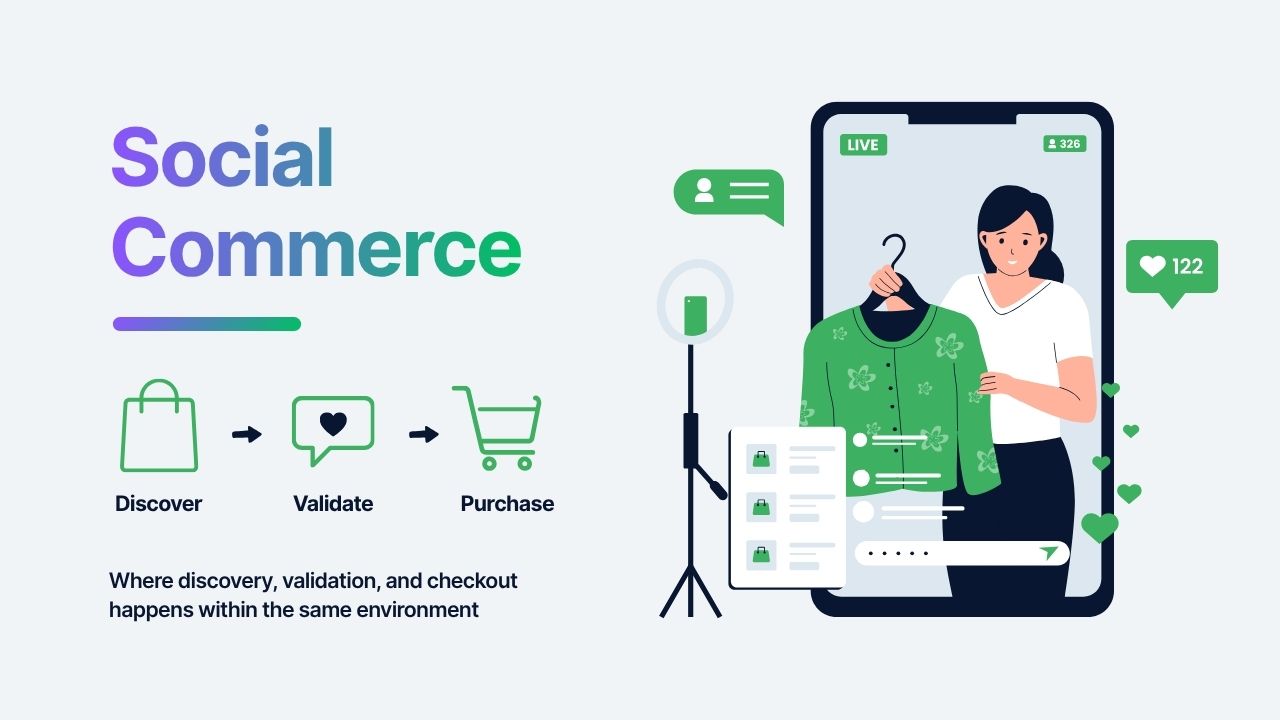
As social commerce expands, marketing leaders are scrutinizing every dollar invested. The growing emphasis on return on ad spend (ROAS) has pushed performance-driven creator campaigns to the forefront, while the boundary between social discovery and online shopping continues to disappear.
Social platforms are no longer simply places where brands generate awareness. They are increasingly becoming environments where consumers can discover, validate, and purchase products within the same experience.
At the heart of this shift is trust. Rather than relying solely on corporate brand claims, consumers increasingly turn to creators and peers to understand how products perform in real-world situations—from seeing how a beauty product works on different skin types to watching a creator taste-test a new snack.
This is particularly visible in Fashion & Beauty, which leads social commerce across Southeast Asia, while Food & Beverage is also emerging as a strong category for creator-led and livestream commerce. Affiliate networks and livestreaming are helping transform creator content from a source of inspiration into a direct commerce opportunity.
This evolution has introduced shoppertainment, where entertainment, social proof, and commerce converge within a single experience. TikTok Shop offers a clear example:
By keeping discovery, validation, and checkout within the same environment, social commerce reduces friction between attention and action—turning trusted creator interactions into measurable moments of purchase.
Social commerce has shortened the path from discovery to purchase, but consumers still need validation. Before committing to a purchase, prospective buyers want deeper product understanding, real-world proof, and answers to specific concerns that brand messaging often fails to address.
Two factors are critical to closing this gap:
First, brands need to bridge the gap between what they say and what consumers actually want to know. While a beauty brand may promote “24-hour hydration,” shoppers may be asking whether the cream suits oily skin in humid weather. The opportunity lies in turning these real-world questions into content that directly addresses purchase barriers.
Second, brands need to understand how consumers use different platforms. Xiaohongshu naturally plays a strong validation role because users actively search for reviews and recommendations, which is reflected in brands directing over 28% of their Lifestyle & Home campaign spend to the platform in Malaysia. However, many consumers still encounter products passively on entertainment-first feeds. Brands therefore need to bring relevant answers into the scroll through UGC that addresses real questions, objections, and use cases.
AI-generated content (AIGC) can help close this validation gap at scale. Built on AnyAI, AnyAI Video turns consumer intelligence into AI-generated UGC, helping brands identify what consumers actually care about and create content that addresses their questions, objections, and real-world needs.
The traditional marketing funnel is no longer a linear journey. Media, consumer insight, AI, commerce, and business operations increasingly work together as an interconnected ecosystem, where each interaction can create new opportunities for engagement, purchase, data, and advocacy.
The S-Pure campaign by Betagro Group demonstrates what this can look like in practice. To overcome Gen Z and Millennial ad fatigue on TikTok, S-Pure built a connected experience powered by AnyMind:
The result demonstrates how brands can connect creator reach, AI-powered engagement, and commerce to drive both immediate business outcomes and longer-term customer growth.
As this integrated ecosystem matures, brands will increasingly need to unify discovery, trust, engagement, and commerce rather than treating them as separate marketing functions.
As this connected ecosystem matures, brands will increasingly need to connect discovery, trust, engagement, and commerce rather than treating them as separate marketing functions.
Through AnyMind’s technology suite – from creator discovery with AnyTag and AI-powered live commerce with AnyLive, to multi-channel commerce management with AnyX and data analytics with AnyAI – brands can connect the consumer journey end to end, turning content and engagement into measurable commerce and scalable growth.
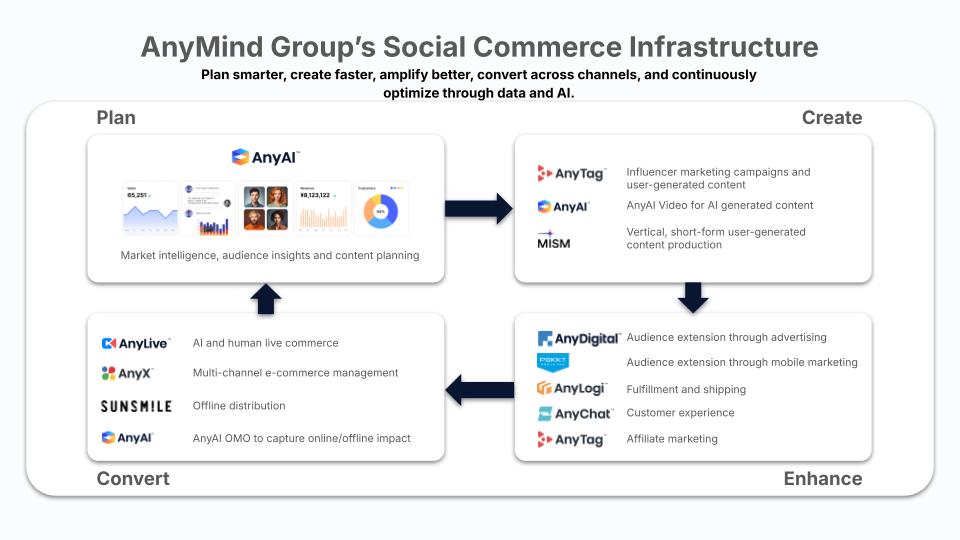
The future of marketing will belong to brands that don’t treat media, content, commerce, and operations as separate functions, but as connected parts of the same business ecosystem.
Contact us today to explore how we scale your brand’s next milestone with our full-funnel solutions.

Oct 15, 2026
Press Release
AnyMind Group
Oct 13, 2026
Press Release
AnyMind Group
Oct 9, 2026
Press Release
E-commerce & D2C